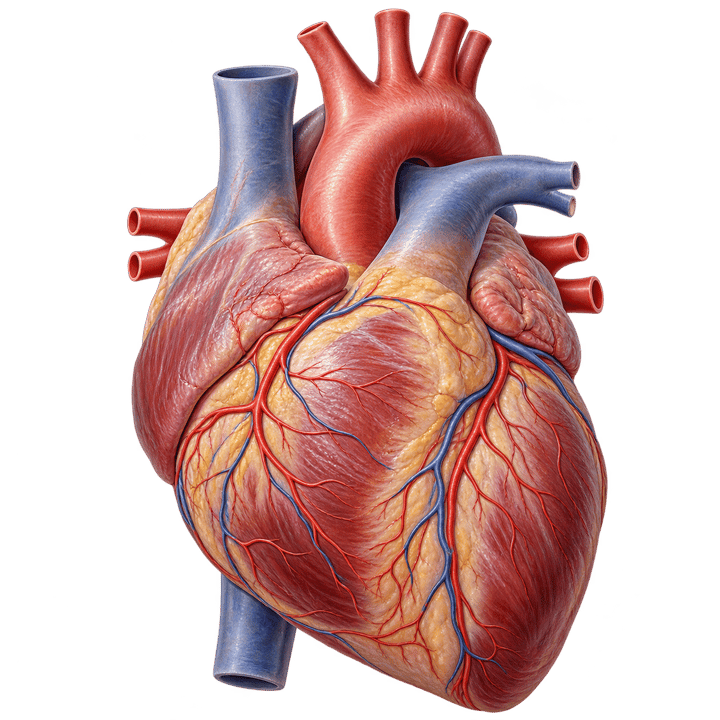
Does eating late lower HRV?
It can. In a 7.5-week trial of 39 adults, finishing the last meal at least 3 hours before sleep raised HRV at night and lowered heart rate at night, compared with their usual timing. An earlier dinner is one of the easiest tests to run on yourself.
Most advice about HRV is about what you eat or drink. When you eat gets less attention, and it’s the part that’s easiest to change.
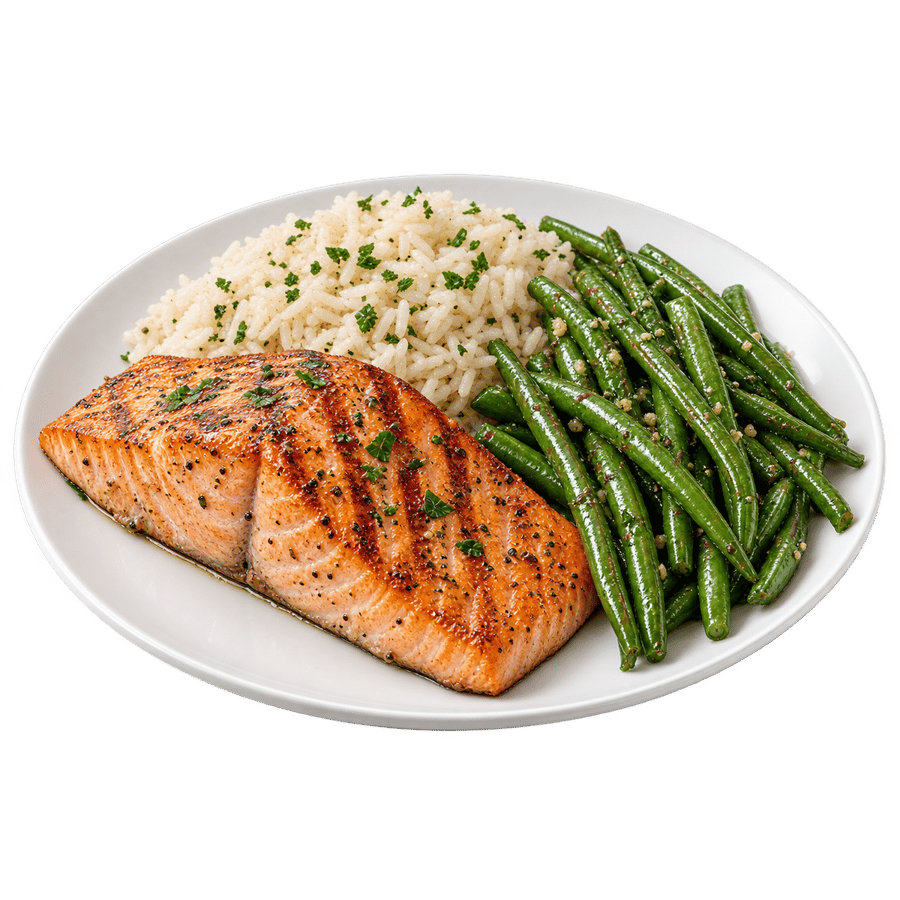
What we’d do: for two weeks, finish dinner three hours before your usual bedtime, and keep everything else the same. Then compare your 7-day average with the two weeks before.
The two trials
| Trial | Who | What happened |
|---|---|---|
| Last meal 3 or more hours before sleep, against usual eating, for 7.5 weeks, 2026 | 39 adults aged 36 to 75 with overweight or obesity | Lower heart rate at night, higher HRV at night and lower cortisol at night. Morning blood sugar control improved too |
| Simulated night work, eating at night and by day, against eating by day only, 2025 | 20 healthy adults in a lab | With night eating, RMSSD fell 14.3 percent. Eating only in the daytime prevented the fall |
In the first trial, the dinner group’s overnight fast ran 13 to 16 hours, against 11 to 13 hours for the usual-eating group. Both groups dimmed their lights three hours before bed, so the light wasn’t the difference. The authors credit better timing between the body clock, sleep and digestion.
How sure are we?
Moderately. Both are randomized trials, and they point the same way. Both are small, and the first was in middle-aged and older adults with extra weight. Neither tested a large group of people eating and sleeping as they normally do.
That makes it a good lever to test on yourself. It costs nothing and shows up in two weeks of nights if it works for you.
2 sources
- Grimaldi D et al., Sleep-aligned extended overnight fasting improves nighttime and daytime cardiometabolic function, Arteriosclerosis, Thrombosis, and Vascular Biology, 2026pubmed.ncbi.nlm.nih.gov
- Chellappa SL et al., Daytime eating during simulated night work mitigates changes in cardiovascular risk factors, Nature Communications, 2025pubmed.ncbi.nlm.nih.gov