What people get wrong about HRV
One belief a page. The verdict first, then why it is easy to believe, and what the studies found.
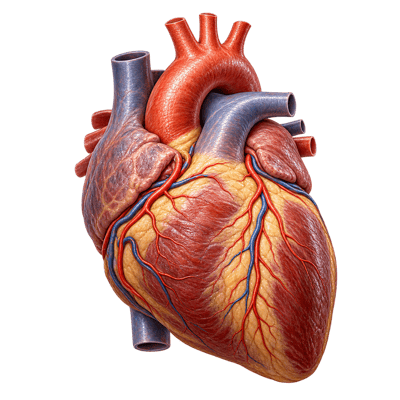
Can you compare your HRV with a friend's, or with an age chart?
Sort of, but not really. Healthy people the same age differ tenfold, devices measure it differently, and a chart's middle line hides almost everyone.
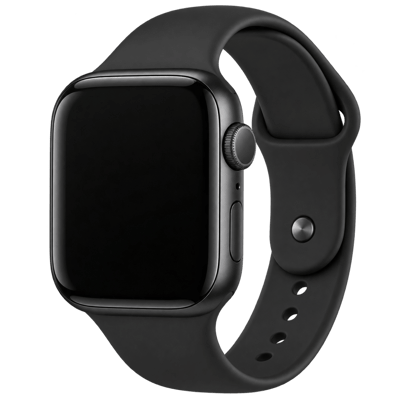
Do your Apple Watch and Oura numbers mean the same thing?
No. Apple Watch reports SDNN and Oura reports RMSSD. Both are in ms and come from your heartbeats, but they are different numbers you can't swap, convert or average.
Does one low morning mean you're overtrained?
No. One low night is mostly noise. In runners, a weekly HRV average tracked fitness and single days barely did. Act on a low week with a higher sleeping heart rate.
Does your HRV measure how stressed you are?
Not the way you think. Stress lowers HRV a little in the moment, but in a 3-month study, days people felt stressed had the same overnight HRV as calm days.
Is a higher HRV always better?
Yes, but only your own average, rising slowly on one device. Beating a friend's number means little, and a sudden spike can mean hard training or an irregular rhythm.

Will a supplement raise your HRV?
Probably not by much. Across 15 fish oil trials, the RMSSD-type measure didn't change. Magnesium rests on one small trial. Drinks, sleep and training move HRV far more.
Will breathing exercises raise your HRV in a week?
Not your overnight number. Slow breathing raises HRV while you do it and for a while after. Over weeks, some trials find a small rise in resting HRV and others none.